Filtration systems are essential in marine applications to protect engines, hydraulic systems, fuel systems, lubrication systems, and other critical equipment operating in demanding environments. Ships, boats, offshore equipment, and marine machinery are exposed to saltwater, humidity, dust, fuel contaminants, and other particles that can affect equipment performance and service life.
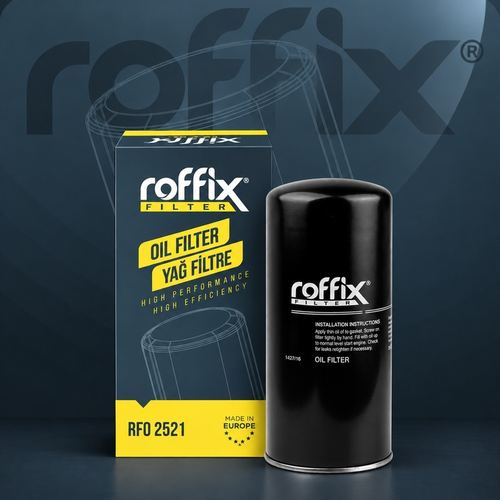
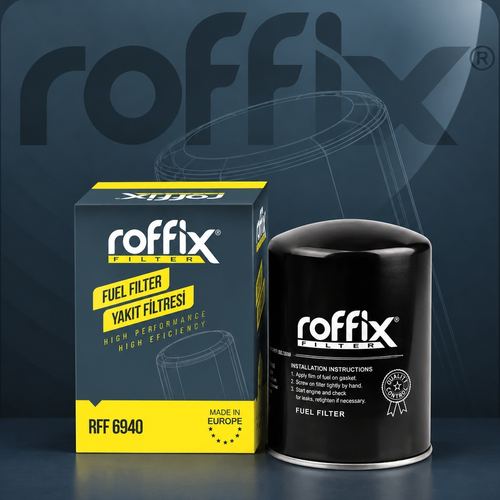
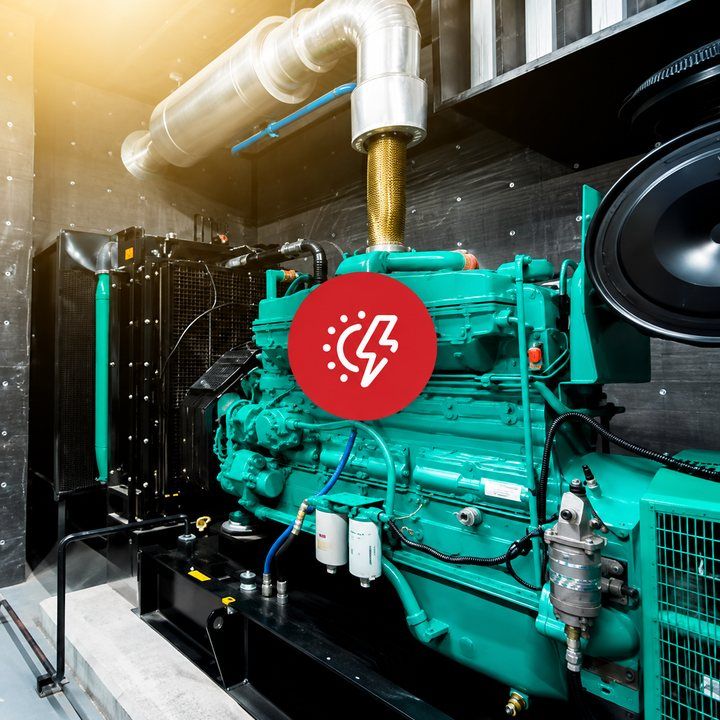
Roffix provides filtration solutions for marine engines, generators, hydraulic systems, fuel systems, compressors, and other onboard and marine equipment. Our product range includes air filters, oil filters, fuel filters, hydraulic filters, compressed air filters, and process filtration products designed for different marine applications.
Air filters help prevent dust and airborne particles from entering engine and equipment intake systems, supporting efficient operation and reducing contamination-related wear. Fuel filters remove dirt, rust, water, and other impurities from fuel before they reach sensitive injection and combustion components. Oil filters help maintain clean lubrication oil by capturing particles and contaminants generated during equipment operation.
Hydraulic filters are used to remove contaminants from hydraulic fluids and help protect pumps, valves, cylinders, steering systems, deck machinery, and other hydraulic components. Maintaining hydraulic fluid cleanliness is particularly important in marine equipment where reliable operation is essential.
Marine filtration requirements can vary according to equipment type, fluid characteristics, flow rate, operating pressure, temperature, and environmental conditions. Filter media and construction materials should also be selected according to the application, particularly where resistance to moisture and corrosion is required.
Roffix supplies standard, replacement, and application-specific marine filters based on equipment models, original filter references, dimensions, or technical specifications. Proper filter selection and regular maintenance help protect marine equipment, maintain system performance, and reduce unexpected downtime during operation.