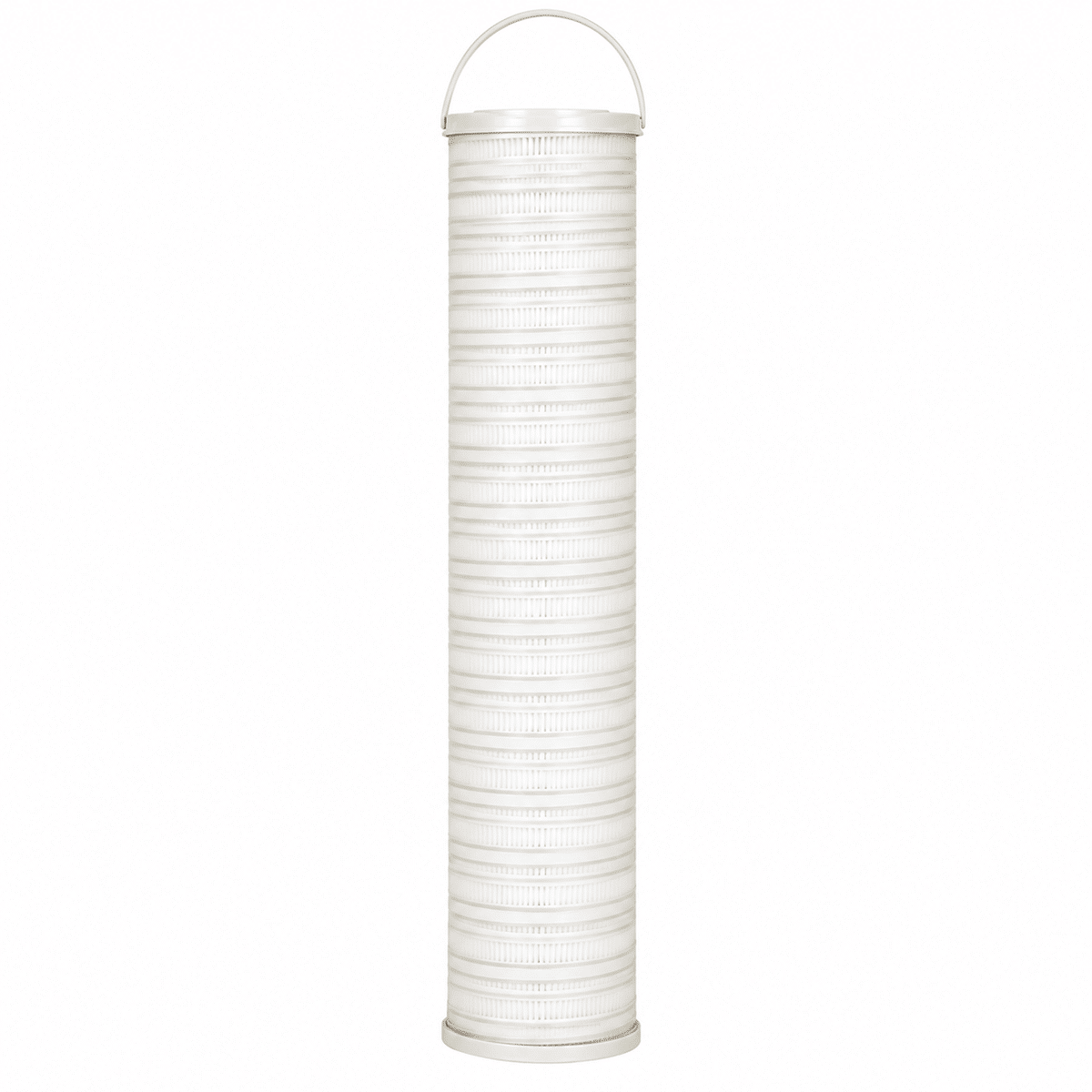
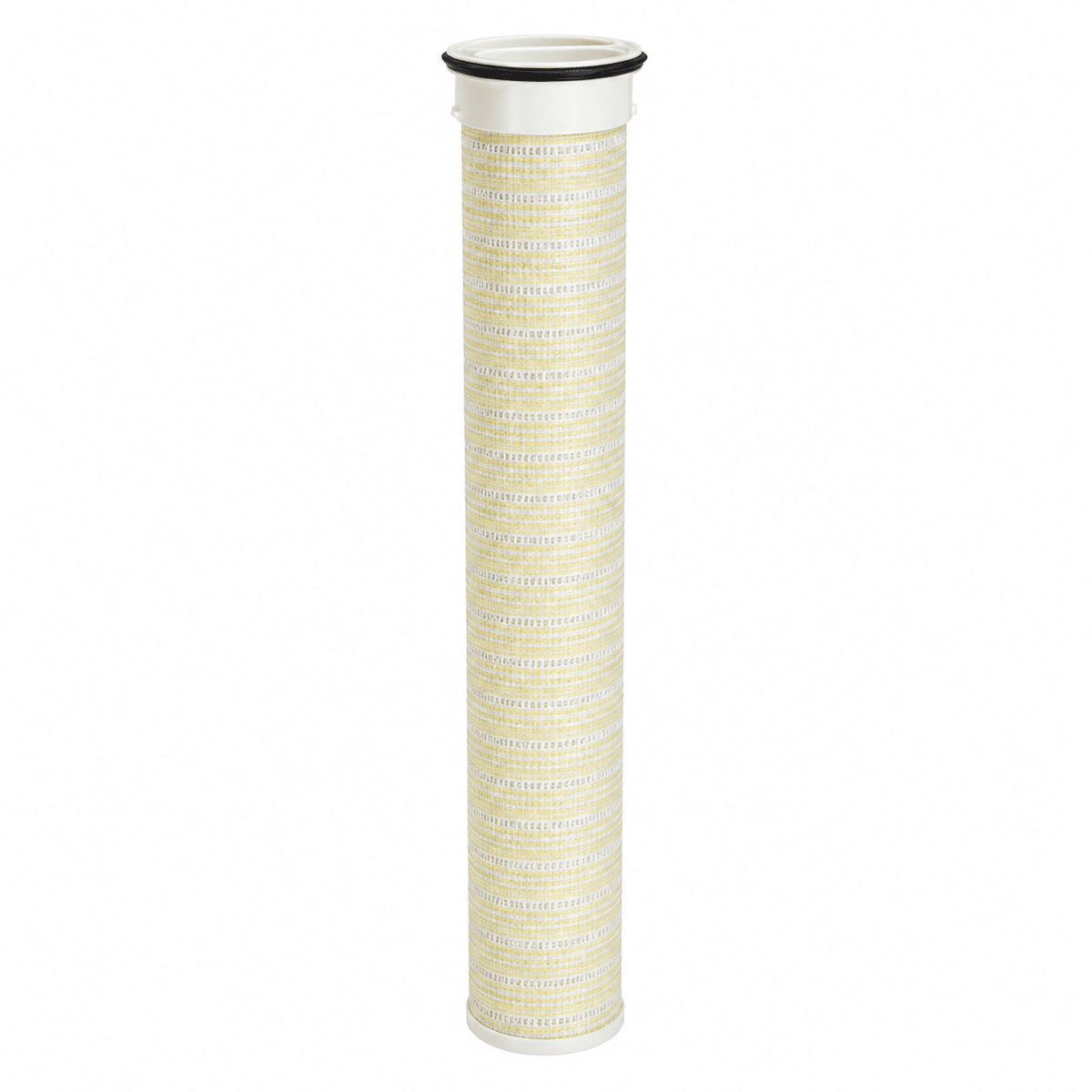
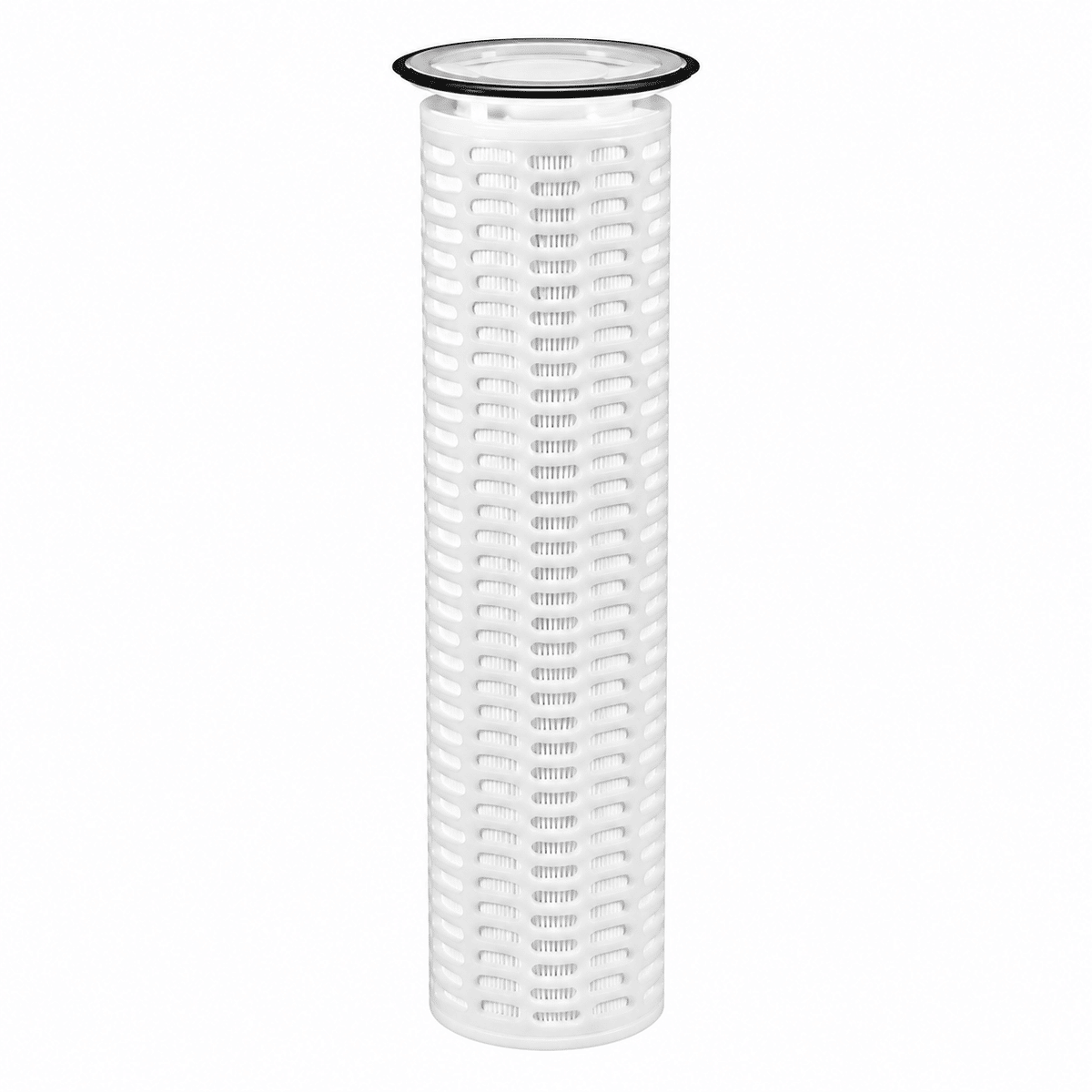
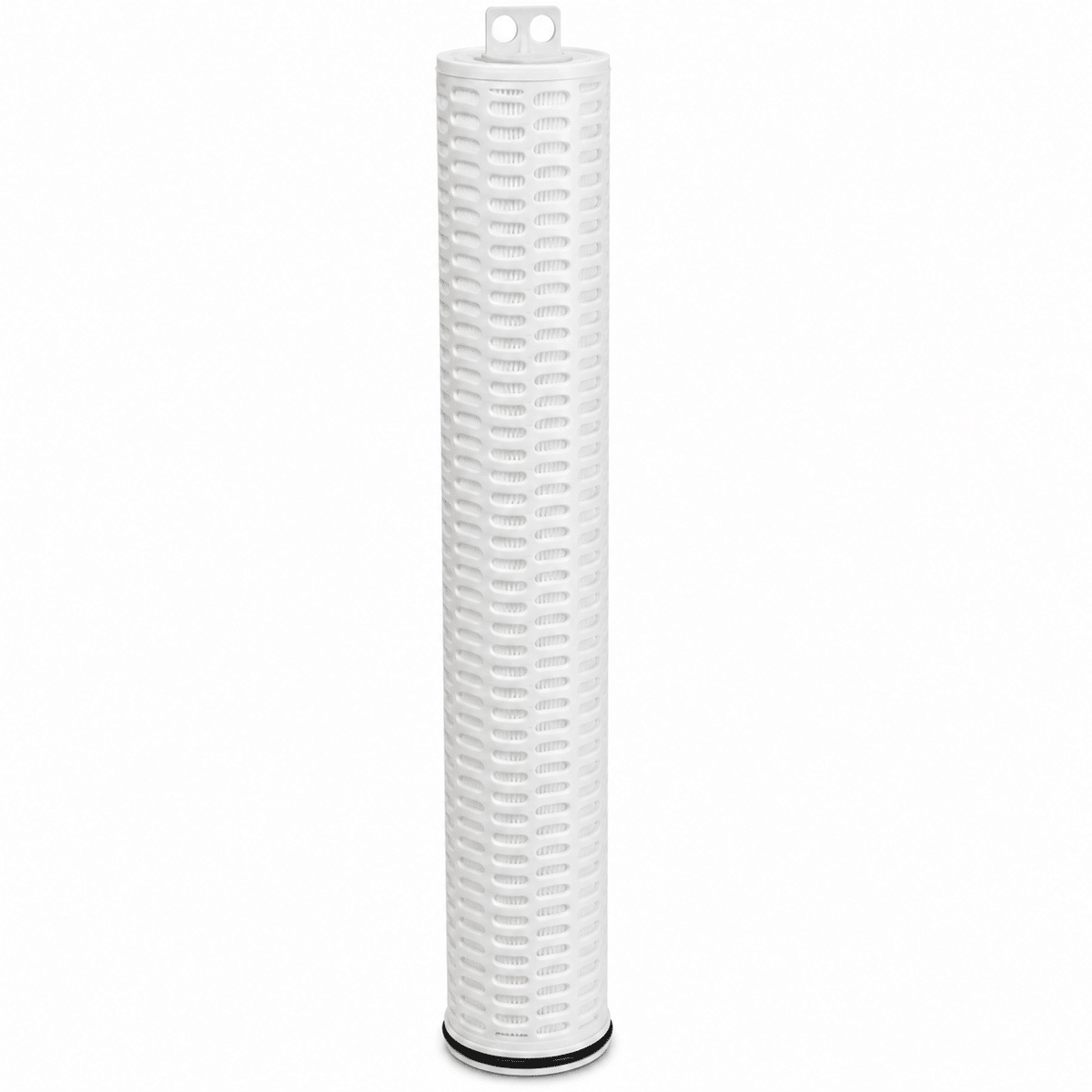
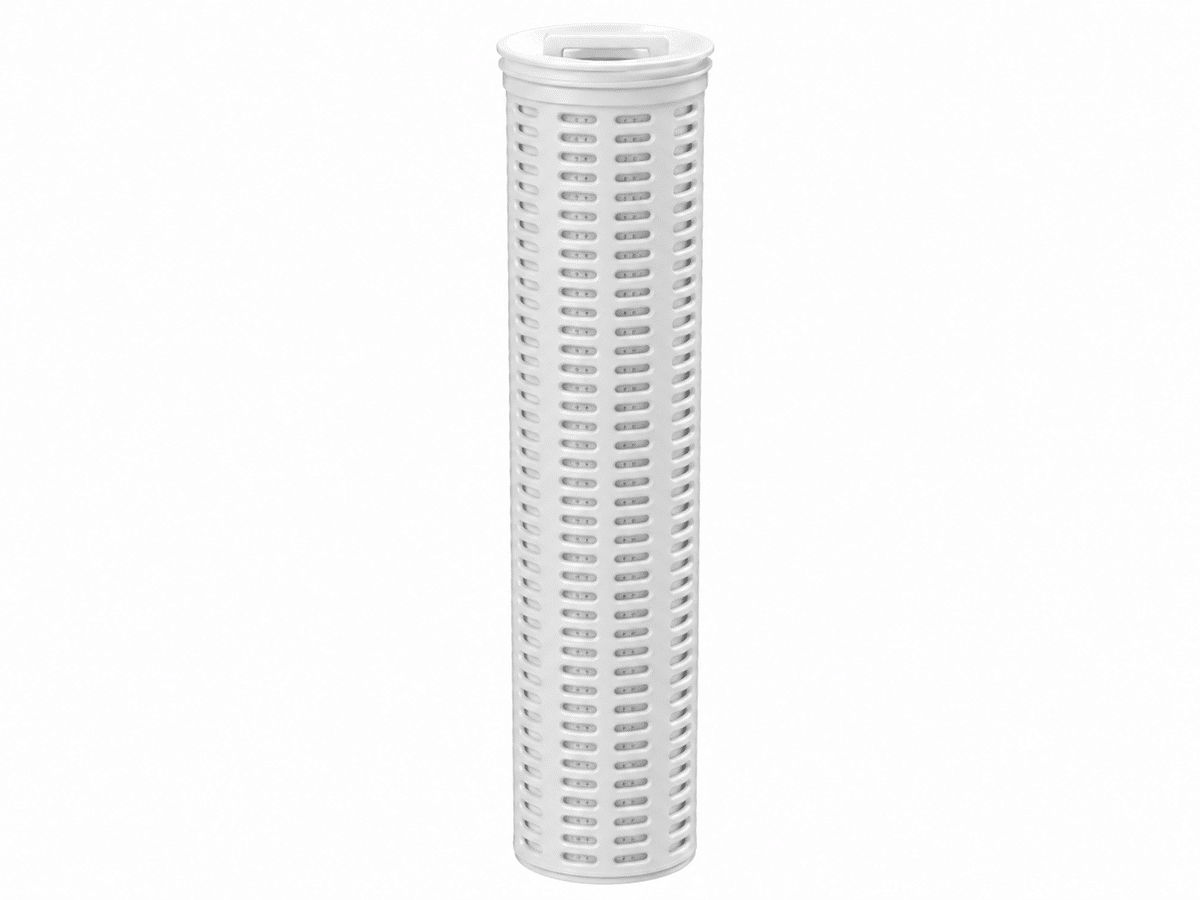
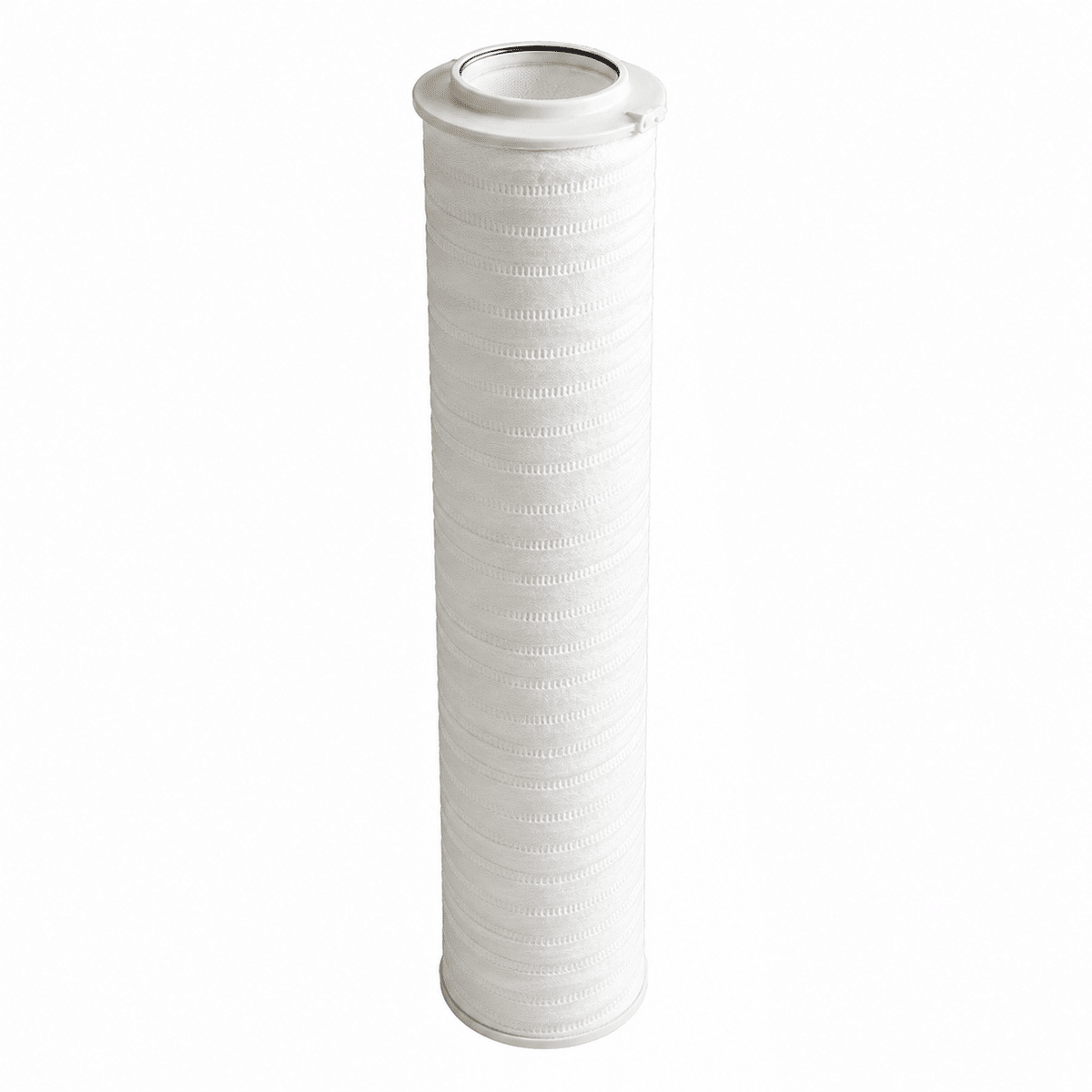
High Flow Cartridge Filters are designed for liquid filtration systems that require high flow rates, efficient particle removal and reduced filter element quantities. Their large filtration surface and high-capacity design make them suitable for industrial applications where conventional cartridge filters may require a large number of elements or frequent replacement.
High Flow Cartridge Filters are commonly used to remove suspended solids, sediment, rust, dirt and other particulate contaminants from process fluids. Their design allows significant liquid volumes to pass through a single filter element while maintaining effective filtration performance. This can simplify filter housing design, reduce maintenance requirements and improve the overall efficiency of large-scale filtration systems.
Depending on the application, High Flow Cartridge Filters can be manufactured using polypropylene, polyester or other specialized filter media. Different micron ratings are available according to the required level of particle removal. The filter media and construction should be selected according to fluid type, contamination level, operating temperature, chemical compatibility and required flow capacity.
These filters are widely used in water treatment, industrial process filtration, cooling water systems, chemical processing, power generation, food and beverage production and other applications requiring high-volume liquid filtration. They can also be used as pre-filtration stages to protect membranes, pumps and other downstream equipment.
Selecting the correct High Flow Cartridge Filter requires consideration of flow rate, filtration rating, fluid characteristics, operating pressure, temperature, filter dimensions and housing configuration. Proper sizing helps maintain stable flow and prevents excessive pressure drop.
Regular inspection and timely replacement of filter elements are important for maintaining filtration efficiency and system performance. Roffix provides High Flow Cartridge Filters in different configurations and filtration ratings according to equipment specifications and process requirements.